
Embark on a journey through the realm of asbestos house siding, where the past, present, and future converge to shed light on this intriguing topic.
Delve into the intricate details surrounding asbestos siding, from its composition to its visual characteristics, as we uncover the hidden truths behind this controversial building material.
What is asbestos house siding?
Asbestos house siding refers to exterior cladding materials that contain asbestos fibers. These siding materials were commonly used in the construction of residential buildings in the past.
Composition of Asbestos Siding
Asbestos siding is typically composed of a mixture of asbestos fibers, cement, and other additives. The asbestos fibers provide strength and durability to the siding, while the cement acts as a binding agent.
Appearance of Asbestos House Siding
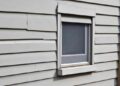
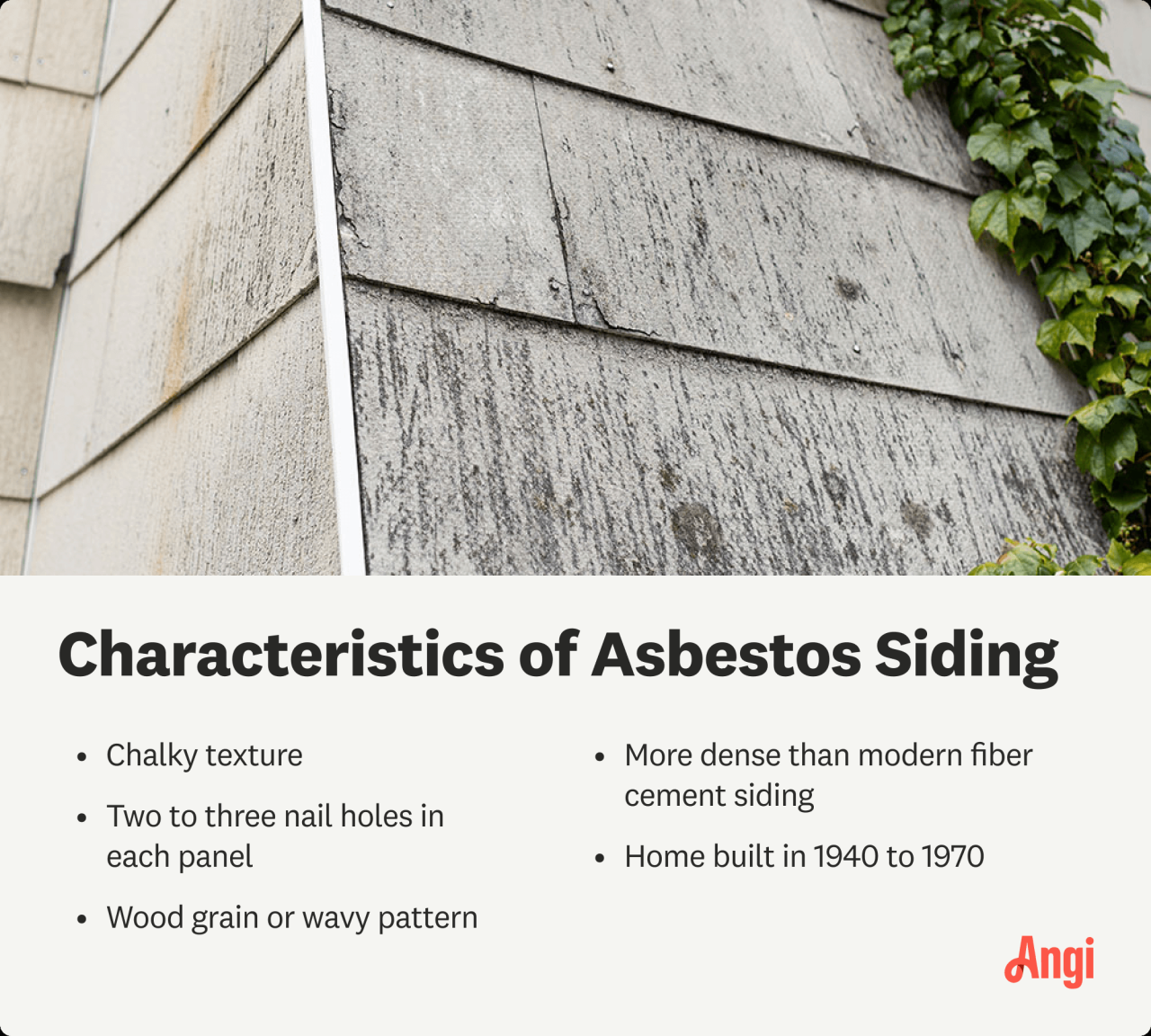
- Asbestos siding often has a textured surface that resembles wood grain.
- It can be found in a variety of colors, including white, gray, and earth tones.
- The individual siding panels are usually rectangular in shape and overlap to provide protection against the elements.
History of Asbestos Usage in House Siding
Asbestos gained popularity in the construction industry during the early to mid-20th century due to its fire-resistant and insulating properties. Asbestos siding was widely used as a durable and low-maintenance option for residential buildings. However, the health risks associated with asbestos exposure eventually led to a decline in its use.
Health risks associated with asbestos house siding.
Asbestos house siding, while durable and fire-resistant, poses significant health risks due to the presence of asbestos fibers. Exposure to asbestos can lead to serious health issues, particularly when the siding deteriorates over time.
Potential health hazards of living in a house with asbestos siding
- Asbestos fibers can become airborne when the siding is damaged or disturbed, leading to inhalation.
- Inhaling asbestos fibers can cause respiratory problems, lung cancer, mesothelioma, and other serious health conditions.
- Long-term exposure to asbestos can result in chronic health issues that may not appear until years later.
Dangers of asbestos exposure from deteriorating siding
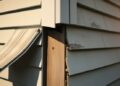
- Asbestos fibers released from deteriorating siding can contaminate the indoor air quality of the house.
- Children playing around the house with deteriorating asbestos siding are at higher risk of exposure.
- Ingesting asbestos fibers can also pose health risks, especially for young children and pets.
How asbestos fibers can be inhaled and lead to health issues
- When asbestos siding becomes damaged or weathered, tiny asbestos fibers can be released into the air.
- These fibers are easily inhaled and can become lodged in the lungs, causing inflammation and scarring over time.
- This can lead to respiratory problems, lung cancer, and other serious health conditions associated with asbestos exposure.
Removal and disposal of asbestos house siding
When it comes to dealing with asbestos house siding, proper removal and disposal are crucial to prevent any health risks associated with asbestos exposure.
Safety measures for removing asbestos siding
- Wear protective gear such as coveralls, gloves, goggles, and a respirator to avoid inhaling asbestos fibers.
- Work in a well-ventilated area to minimize exposure to airborne fibers.
- Avoid breaking or cutting the siding to prevent the release of asbestos fibers.
- Keep the siding wet during removal to reduce the spread of fibers.
Proper disposal methods for asbestos-containing materials
- Double-bag the asbestos siding in heavy-duty plastic bags labeled for asbestos disposal.
- Seal the bags tightly with duct tape to prevent any fibers from escaping.
- Contact a licensed asbestos disposal company to transport and dispose of the materials properly.
- Do not dispose of asbestos siding in regular household waste bins or landfills.
Regulations and guidelines for handling asbestos during removal
- Follow local regulations and guidelines for asbestos removal, which may include obtaining permits and notifying authorities.
- Hire a licensed asbestos removal professional to ensure proper handling and disposal of the materials.
- Keep records of the removal process, including disposal receipts and documentation of work done.
Alternatives to asbestos house siding
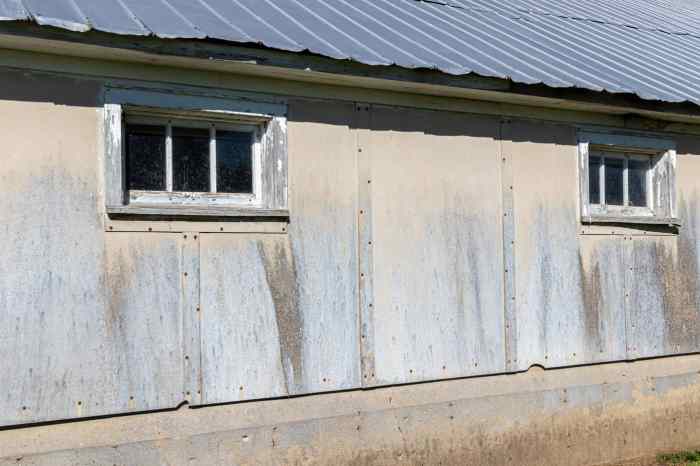
When considering alternatives to asbestos house siding, it is important to compare different materials in terms of durability, environmental impact, and cost.
Durability Comparison
One popular alternative to asbestos siding is fiber cement siding, which is known for its durability and resistance to rot, fire, and pests. Compared to asbestos siding, fiber cement siding can last for decades with minimal maintenance, making it a reliable choice for homeowners.
Environmental Impact
Asbestos siding poses serious health risks when disturbed and can release harmful fibers into the air. In contrast, fiber cement siding is considered a safer option as it does not contain asbestos and is made from sustainable materials such as cement, sand, and cellulose fibers.
This makes it a more environmentally friendly choice compared to asbestos siding.
Cost Differences
While asbestos siding may have been a cost-effective option in the past, the dangers associated with it have increased removal and disposal costs. On the other hand, fiber cement siding may have a higher upfront cost, but the long-term savings from its durability and minimal maintenance can make it a more cost-effective choice in the end.
Additionally, the environmental benefits of fiber cement siding may outweigh the initial cost difference when compared to asbestos siding.
Outcome Summary
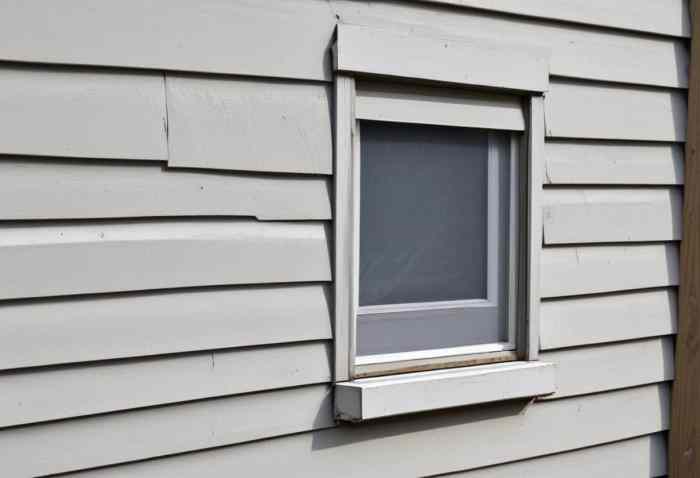
As we draw the curtains on our discussion, the complexities of asbestos house siding unravel before us, leaving us with a deeper understanding of its implications and alternatives.
FAQ Insights
What are the health risks associated with asbestos house siding?
Living in a house with asbestos siding can pose risks such as respiratory issues, lung cancer, and mesothelioma due to exposure to asbestos fibers.
How should asbestos siding be safely removed and disposed of?
Proper safety measures must be taken during removal, and asbestos-containing materials should be disposed of according to regulations. Professional abatement is often recommended.
What are the alternatives to asbestos house siding?
Modern siding materials like vinyl, fiber cement, and wood offer durable and environmentally friendly alternatives to asbestos siding, often at competitive costs.