
Exploring the world of house siding near me, this introduction aims to provide a comprehensive overview of the topic, covering various aspects from materials to maintenance.
Delving deeper into the realm of house siding, we will uncover the different types of materials, cost considerations, finding contractors, and more.
Finding House Siding Contractors
Finding the right house siding contractor is crucial to ensuring a successful home improvement project. Here are some tips on how to search for reputable contractors, check reviews and references, and obtain quotes from different professionals.
Researching Reputable Contractors
When looking for house siding contractors, start by asking for recommendations from friends, family, or neighbors who have recently had siding work done. You can also search online for local contractors and read reviews on trusted websites like Angie's List or HomeAdvisor.
Checking Reviews and References
Before hiring a contractor, make sure to check their reviews and references. Look for feedback from previous clients to get an idea of the contractor's work quality and reliability. Additionally, ask the contractor for references and follow up with them to ask about their experience working with the contractor.
Obtaining Quotes from Different Contractors
Once you have a list of potential contractors, contact them to request quotes for your house siding project. Be sure to provide detailed information about the scope of work required to get accurate quotes. Compare the quotes from different contractors based on price, materials, timeline, and warranties offered.Remember, taking the time to research and vet house siding contractors can save you from potential headaches and ensure a smooth and successful siding installation.
Cost Considerations
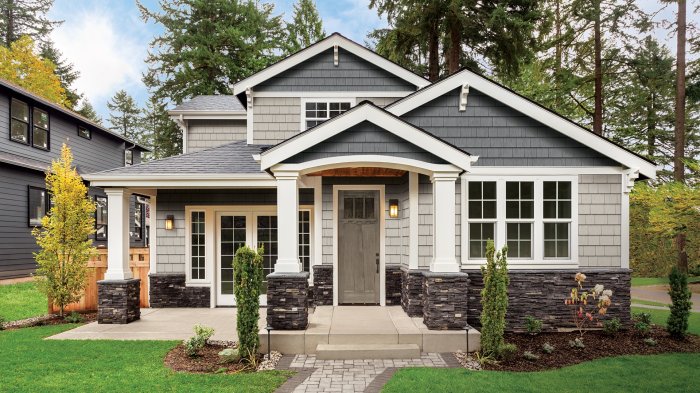
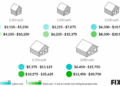
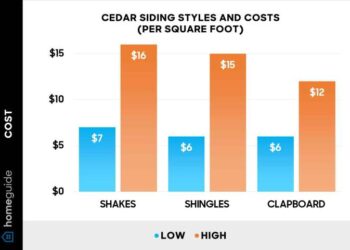
When considering house siding installation costs, there are several factors that can influence the overall price. Factors such as the size of your home, the type of materials used, labor costs, and any additional customization or features can all play a role in determining the final cost.
It's important to understand these factors and consider them when budgeting for your siding project.
Types of House Siding Materials
- Vinyl Siding: Vinyl siding is one of the most affordable options, with an average cost of $2 to $7 per square foot. It is low-maintenance and comes in a variety of colors and styles.
- Fiber Cement Siding: Fiber cement siding is a durable option that ranges from $5 to $12 per square foot. It is resistant to fire, insects, and rot.
- Wood Siding: Wood siding can cost between $5 to $10 per square foot, depending on the type of wood used. It provides a natural, classic look but requires more maintenance.
- Aluminum Siding: Aluminum siding costs around $5 to $9 per square foot. It is lightweight, durable, and easy to maintain.
Tips for Budgeting
- Get Multiple Quotes: It's always a good idea to get quotes from multiple contractors to compare prices and services.
- Consider Long-Term Costs: While upfront costs are important, also consider the long-term maintenance and durability of the siding material.
- Plan for Unexpected Expenses: It's wise to set aside some extra funds in case of any unforeseen issues or additional work that may arise during the installation process.
- Choose Quality Materials: Investing in high-quality materials may cost more initially but can save you money in the long run by reducing maintenance and repair costs.
Maintenance and Care
Proper maintenance and care are essential to ensure the longevity and appearance of your house siding. Regular inspections, cleaning, and following specific maintenance requirements for each siding material can help prevent damage and costly repairs in the future.
Vinyl Siding
- Regularly wash vinyl siding with a mixture of water and mild soap to remove dirt and grime.
- Inspect for any cracks, warping, or loose panels that may need repair or replacement.
- Avoid using high-pressure washers, as they can damage the siding.
- Apply a protective wax coating every few years to maintain color and protect against fading.
Wood Siding
- Inspect for signs of rot, mold, or insect damage regularly.
- Re-stain or reseal wood siding every few years to protect against moisture and UV damage.
- Trim any nearby trees or bushes to prevent damage from branches rubbing against the siding.
- Keep the siding clean and free of debris to prevent mold growth.
Fiber Cement Siding
- Clean fiber cement siding with water and a mild detergent using a soft brush or cloth.
- Inspect for any cracks, chips, or signs of water damage regularly.
- Repaint or touch up any damaged areas to maintain the integrity of the siding.
- Avoid using abrasive cleaners or tools that could scratch or damage the surface.
Local Regulations and Permits

When it comes to installing house siding, it is crucial to comply with local regulations and obtain the necessary permits. Failure to do so can result in fines, delays, or even having to remove the siding altogether.
Common Permits Required
- Building Permit: Typically required for any construction work, including house siding installation. This permit ensures that the work meets safety and building code standards.
- Zoning Permit: In some areas, a zoning permit may be necessary to ensure that the siding installation complies with local zoning regulations.
- Hazardous Materials Permit: If you are using certain types of siding materials that are considered hazardous, such as lead-based paint, a hazardous materials permit may be required.
Where to Check and Obtain Permits
You can usually check local regulations and obtain permits through your city or county's building department or planning office. They will be able to provide you with the specific requirements for house siding installation in your area and guide you through the permit application process.
Last Point
In conclusion, house siding near me is a crucial aspect of home maintenance and aesthetics. By understanding the types of siding, finding reputable contractors, and considering cost factors, you can make informed decisions to enhance your home's exterior.
FAQ Overview
What are the common types of house siding materials?
Common types include vinyl, wood, fiber cement, and metal siding.
How can I find reputable house siding contractors near me?
Ask for recommendations, check online reviews, and request quotes from multiple contractors.
What factors influence the cost of house siding installation?
Factors like material quality, size of the project, and additional features can impact the overall cost.
Why is it important to comply with local regulations for house siding installation?
Compliance ensures safety, quality standards, and adherence to building codes.
How can I prolong the lifespan of my house siding?
Regular inspections, timely repairs, and proper cleaning can help extend the lifespan of your siding.