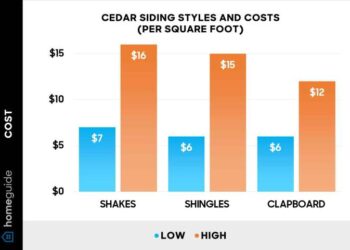

As homeowners consider replacing house siding, the cost becomes a crucial factor. This guide delves into the various aspects of house siding replacement costs, shedding light on factors influencing the expenses, popular material options, installation choices, and cost-efficient tips. Join us on this informative journey to make informed decisions for your home.
Factors Affecting House Siding Replacement Costs
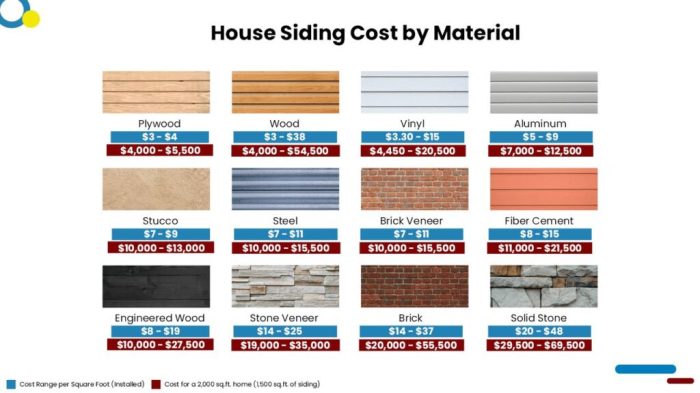
When considering the cost of replacing house siding, several factors come into play that can influence the overall price. Understanding these factors is crucial for homeowners looking to budget for this type of home improvement project.
Material Choice
The material chosen for the house siding can significantly impact the cost of replacement. Different materials such as vinyl, wood, fiber cement, or metal have varying price points. While vinyl siding tends to be more affordable, options like fiber cement or wood can be pricier but offer different aesthetic and durability benefits.
Labor Costs
Labor costs are another key factor in the total expense of replacing house siding. The complexity of the installation process, the skill level required, and the local labor market conditions can all affect labor costs. Hiring experienced professionals may come at a higher price but can ensure quality workmanship.
House Size
The size of the house plays a significant role in determining the overall cost of siding replacement. Larger homes will naturally require more materials and labor, resulting in higher expenses. Conversely, smaller homes may have lower replacement costs due to reduced material and labor needs.
Geographical Location
Geographical location can also impact the cost of replacing house siding. Prices for materials and labor can vary depending on the region, with urban areas typically having higher costs compared to rural areas. Factors like climate and local building codes can also influence overall expenses.
Condition of Existing Siding
The condition of the existing siding can affect replacement costs as well. If the current siding is damaged or requires extensive preparation work before installation, additional time and resources will be needed, leading to higher overall costs. Assessing the condition of the existing siding is essential in estimating the total expense of replacement.
Popular House Siding Material Options
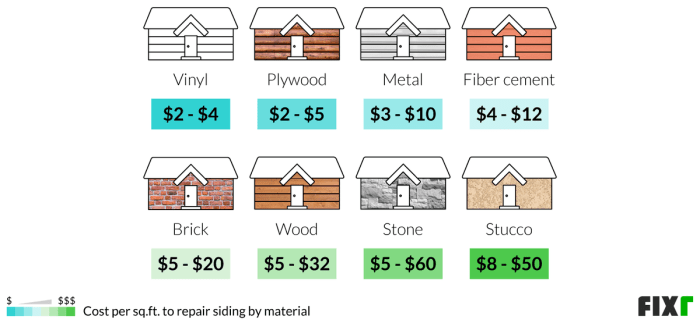
When it comes to choosing the right house siding material, there are several popular options available on the market. Each material comes with its own set of advantages and disadvantages, including cost, durability, and maintenance requirements.
Vinyl Siding
Vinyl siding is one of the most popular choices for homeowners due to its affordability and low maintenance requirements. It is available in a wide range of colors and styles, making it versatile for different architectural designs. While vinyl siding is durable and resistant to rot and insects, it may crack or fade over time.
Wood Siding
Wood siding provides a classic, natural look to a home and is often sought after for its aesthetic appeal. However, wood siding requires more maintenance compared to other materials, including regular painting or staining to protect it from the elements.
The initial cost of wood siding may be higher than vinyl, but it can add value to a home.
Fiber Cement Siding
Fiber cement siding is a durable and low-maintenance option that offers the look of wood without the susceptibility to rot or pests. It is resistant to fire, moisture, and termites, making it a long-lasting choice for homeowners. While the initial cost of fiber cement siding may be higher, it can save money in the long run due to its longevity.
Metal Siding
Metal siding, such as aluminum or steel, is known for its strength and durability. It is resistant to fire, pests, and rot, making it a low-maintenance option for homeowners. Metal siding is available in a variety of colors and styles, providing versatility in design choices.
However, metal siding may dent or scratch easily, requiring repairs or replacements.
Cost Comparison: DIY vs. Professional Installation
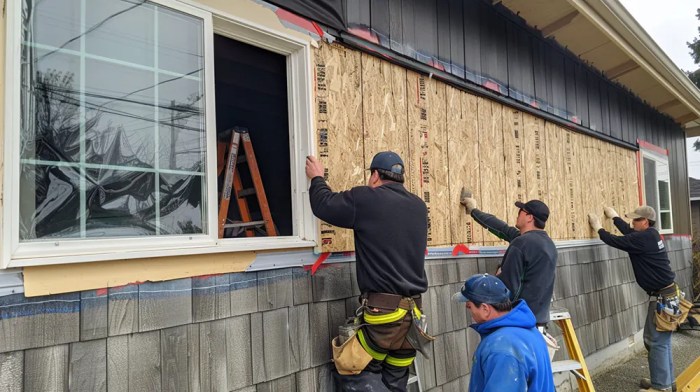
When considering house siding replacement, one crucial factor to analyze is the cost associated with DIY versus hiring professionals. Let's delve into the details to understand the financial implications of each option.
DIY Installation
- DIY siding installation can save you money on labor costs, as you won't be paying for professional services.
- However, it's essential to consider the expertise needed for proper installation. Mistakes during DIY projects can lead to additional expenses for corrections.
- Moreover, the time and effort required for DIY siding replacement might outweigh the cost savings, especially for those with limited experience in home improvement projects.
Professional Installation
- While hiring professionals for siding replacement comes at a higher cost due to labor fees, it ensures a higher level of expertise and efficiency in the project.
- Professional installers have the necessary skills and tools to complete the job effectively, reducing the chances of errors that could lead to future expenses.
- Additionally, professionals may have access to discounts on materials, ultimately impacting the overall cost of the project.
Cost-Efficient Tips for House Siding Replacement
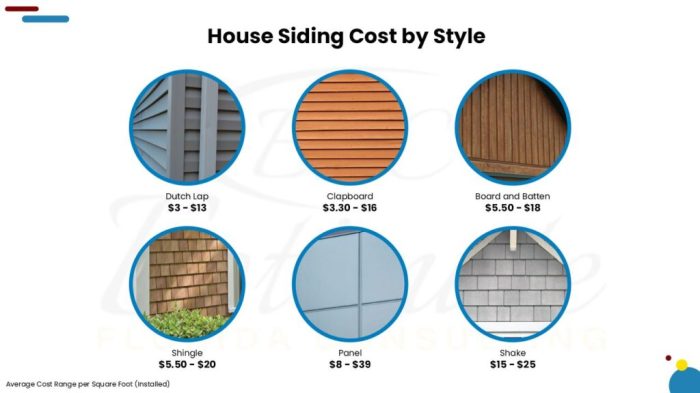
When looking to replace house siding on a budget, there are several cost-efficient tips that homeowners can consider to save money without compromising on quality.
- Consider Vinyl Siding: Vinyl siding is a popular choice for its affordability and low maintenance costs. It comes in a variety of styles and colors, mimicking more expensive materials like wood or stone.
- Shop Around for Deals: Take the time to compare prices from different suppliers and contractors. Look for seasonal promotions or discounts that can help reduce the overall cost of materials and labor.
- Opt for DIY Installation: If you have the necessary skills and tools, consider installing the siding yourself. This can save you a significant amount on labor costs, but make sure to follow proper installation guidelines to avoid mistakes.
Finding Affordable Siding Materials and Labor
When searching for affordable siding materials and labor, consider the following tips:
- Explore Different Material Options: Research various siding materials to find the most cost-effective option that still meets your aesthetic preferences and durability requirements.
- Get Multiple Quotes: Obtain quotes from different contractors to compare prices and services. Make sure to ask about any potential discounts or special offers they may have.
- Consider Used or Recycled Materials: Some suppliers offer used or recycled siding materials at a lower cost. These can be a sustainable and budget-friendly option for your siding replacement project.
Financing Options and Rebates
To help offset the cost of house siding replacement, consider the following financing options and rebates:
- Energy-Efficiency Rebates: Some utility companies offer rebates for homeowners who choose energy-efficient siding materials. Look into these programs to potentially save money on your project.
- Manufacturer Financing: Some siding manufacturers offer financing options for customers to spread out the cost of materials over time. This can make high-quality siding more affordable upfront.
- Home Improvement Loans: Explore home improvement loans or lines of credit to finance your siding replacement project. Compare interest rates and terms to find the best option for your budget.
Last Recap
In conclusion, understanding the intricacies of house siding replacement costs empowers homeowners to make wise choices. From material selection to installation methods, this guide equips you with essential knowledge to navigate the process effectively. Ensure a successful siding replacement project by incorporating these insights into your planning.
Essential Questionnaire
What factors can affect house siding replacement costs?
Factors such as material choice, labor costs, house size, geographical location, and existing siding condition can influence the overall cost.
Which are the popular house siding material options?
Common options include vinyl, wood, fiber cement, and metal. Each material varies in cost, durability, and maintenance requirements.
Is DIY siding installation more cost-effective than hiring professionals?
DIY installation may save money initially, but hiring professionals can ensure quality work and may impact the overall cost based on the project's scope.
How can homeowners save costs on house siding replacement?
Homeowners can save costs by finding affordable quality materials, labor, and exploring financing options or rebates to offset expenses.