
Exploring the world of siding installation contractors, this introduction sets the stage for a deep dive into the importance, types of materials, installation techniques, and choosing the right contractor. With a blend of informative content and engaging language, readers are bound to be captivated from the get-go.
Importance of Siding Installation Contractors
When it comes to residential and commercial construction projects, siding installation contractors play a crucial role in ensuring the success and quality of the final outcome. Their expertise and experience in installing siding materials are essential for a durable and aesthetically pleasing finish.
Role of Siding Installation Contractors
- Professionals in the field, siding installation contractors have the knowledge and skills to properly install various types of siding materials, such as vinyl, wood, fiber cement, or metal.
- They follow industry standards and best practices to ensure that the siding is installed correctly, providing protection against weather elements and enhancing the overall appearance of the building.
- By working with architects, builders, and homeowners, siding installation contractors contribute to the overall design and functionality of the structure.
Benefits of Hiring Professional Contractors
- Professional siding installation contractors have the necessary tools and equipment to complete the job efficiently and in a timely manner.
- They have access to high-quality materials and suppliers, ensuring that the siding used is durable and long-lasting.
- Experienced contractors can provide valuable insights and recommendations on the best siding options for the specific needs and budget of the project.
Types of Siding Materials
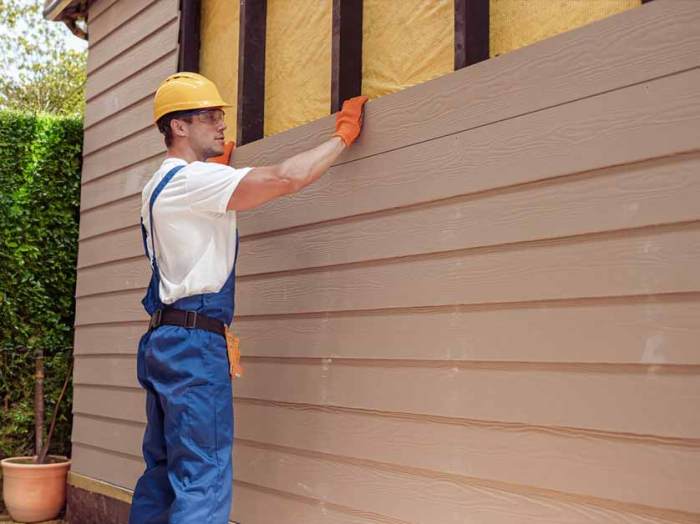
When it comes to choosing siding materials for your home, there are several options available, each with its own set of characteristics and benefits. Understanding the differences between popular siding materials can help you make an informed decision for your next siding installation project.
Vinyl Siding
Vinyl siding is one of the most commonly used siding materials due to its affordability and low maintenance requirements. It is available in a wide range of colors and styles, making it a versatile choice for many homeowners. However, vinyl siding may not be as durable as other materials and can be prone to cracking or fading over time.
Wood Siding
Wood siding offers a natural and traditional look that many homeowners appreciate. It can be painted or stained to match your desired aesthetic, but it does require more maintenance compared to other siding materials. Wood siding is susceptible to rot, pests, and weather damage, so regular inspections and treatments are necessary to maintain its longevity.
Fiber Cement Siding
Fiber cement siding is a durable and low-maintenance option that can mimic the look of wood or masonry. It is resistant to rot, fire, and pests, making it a popular choice for many homeowners. While fiber cement siding may have a higher upfront cost compared to vinyl or wood, it can provide long-term savings due to its longevity and minimal maintenance requirements.
Metal Siding
Metal siding, such as aluminum or steel, is known for its strength and durability. It is resistant to fire, rot, and pests, making it a low-maintenance option for many homeowners. Metal siding can be more expensive than vinyl or wood initially, but its longevity and minimal maintenance needs can make it a cost-effective choice in the long run.
Siding Installation Techniques
Installing siding on a building requires specific techniques to ensure a seamless and long-lasting result. Let's dive into the steps involved, tools required, and best practices for a successful siding installation.
Steps Involved in Siding Installation
- Prepare the surface: Ensure the surface is clean, smooth, and free of any debris before starting the installation.
- Measure and cut siding: Accurately measure the dimensions of the walls and cut the siding panels accordingly to fit perfectly.
- Install starter strips: Begin by installing starter strips at the bottom of the wall to provide a base for the siding panels.
- Attach siding panels: Secure the siding panels to the wall, making sure they are level and properly aligned with each other.
- Finish with trim: Complete the installation by adding trim pieces around windows, doors, and corners for a polished look.
Tools and Equipment Required
- Hammer and nails or siding nails: For securing the siding panels to the wall.
- Tape measure and chalk line: To accurately measure and mark the dimensions of the walls.
- Saw: For cutting siding panels to the correct size.
- Ladder or scaffolding: To reach higher areas of the building safely.
- Caulk and sealant: For sealing gaps and joints to prevent water infiltration.
Best Practices for Long-Lasting Siding Installation
- Follow manufacturer's instructions: Always refer to the manufacturer's guidelines for installation to ensure proper techniques are used.
- Use quality materials: Invest in high-quality siding materials to ensure durability and longevity.
- Properly secure siding: Make sure to fasten siding panels securely to prevent any warping or shifting over time.
- Seal all joints: Seal all joints and gaps with caulking to prevent water damage and maintain energy efficiency.
- Maintain regularly: Perform routine inspections and maintenance to prolong the lifespan of the siding installation.
Choosing the Right Siding Installation Contractor
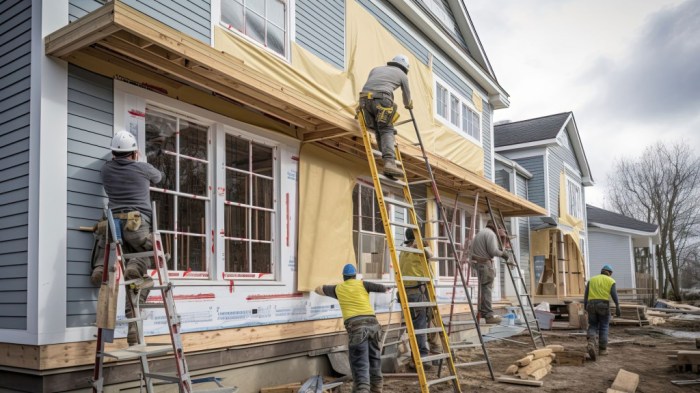
When it comes to selecting the best siding installation contractor for your project, there are several key factors to consider. From checking licenses and insurance to evaluating quotes, each step plays a crucial role in ensuring a successful siding installation experience.
Importance of Checking Licenses, Insurance, and Certifications
Before hiring a siding installation contractor, it is essential to verify that they are properly licensed, insured, and certified. This not only guarantees that the contractor meets the necessary requirements to operate legally but also provides you with peace of mind knowing that you are protected in case of any unforeseen incidents.
- Check the contractor's license to confirm that they are authorized to perform siding installation in your area.
- Verify that the contractor carries liability insurance to cover any damages that may occur during the installation process.
- Ensure that the contractor holds certifications from reputable organizations, demonstrating their expertise and commitment to quality work.
Considerations for Evaluating Quotes and Estimates
When comparing quotes and estimates from different siding installation contractors, it is important to look beyond the bottom line cost. Consider the following factors to make an informed decision:
- Quality of materials: Ensure that the contractor uses high-quality siding materials that are durable and long-lasting.
- Workmanship: Look for reviews and references to gauge the contractor's level of expertise and craftsmanship.
- Timeline: Discuss the estimated timeline for the project and confirm that it aligns with your expectations.
- Warranty: Inquire about the warranty offered on the installation work to safeguard your investment in the long run.
Final Conclusion
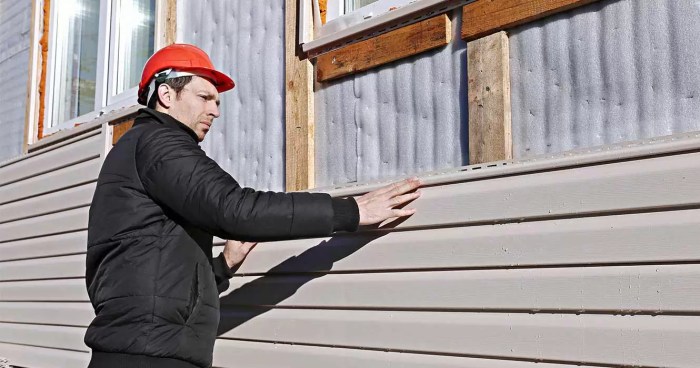
In conclusion, siding installation contractors play a crucial role in construction projects, and selecting the right one can make all the difference. Whether it's understanding the various siding materials or ensuring a seamless installation process, this guide has covered it all.
Essential Questionnaire
What are the key benefits of hiring a professional siding installation contractor?
Professional contractors bring expertise, ensure quality work, and often provide warranties for their services.
How do I choose the best siding installation contractor for my project?
Look for experience, check licenses and certifications, ask for references, and compare quotes from multiple contractors.
What are the common types of siding materials used in construction?
Popular siding materials include vinyl, wood, fiber cement, and metal, each with unique characteristics and costs.