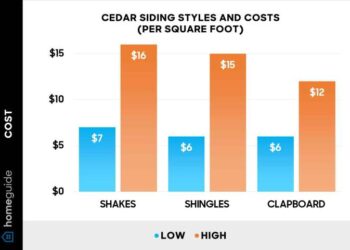

Diving into the world of siding roofing contractors, this introduction sets the stage for a detailed exploration of the industry. From different types of materials to installation techniques and cost factors, this guide covers all aspects with clarity and insight.
Providing valuable information and practical tips, this guide aims to equip readers with essential knowledge about siding roofing contractors, ensuring informed decisions for any project.
Types of Siding and Roofing Materials
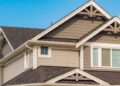
When it comes to choosing the right siding and roofing materials for your home, there are several options to consider. Siding not only enhances the curb appeal of your home but also provides protection from the elements. Roofing materials, on the other hand, play a crucial role in safeguarding your home from rain, wind, and other external factors.
Siding Materials
- Vinyl: Vinyl siding is a popular choice due to its affordability, low maintenance, and versatility in design. However, it may not be as durable as other materials.
- Wood: Wood siding offers a natural and timeless look to homes. It requires regular maintenance to prevent rotting, cracking, and insect damage.
- Fiber Cement: Fiber cement siding is durable, fire-resistant, and available in various styles. It requires minimal maintenance but can be more expensive than vinyl.
- Metal: Metal siding is known for its longevity and resistance to pests, rot, and fire. It can be costly upfront but pays off in the long run with its durability.
Roofing Materials
- Asphalt Shingles: Asphalt shingles are the most common roofing material due to their affordability, ease of installation, and variety of colors. However, they have a shorter lifespan compared to other materials.
- Metal: Metal roofing is durable, energy-efficient, and eco-friendly. It can last for 50+ years and is resistant to fire, mildew, and rot.
- Clay Tiles: Clay tiles provide a classic and elegant look to homes. They are durable, fire-resistant, and require minimal maintenance. However, they can be heavy and costly.
- Slate: Slate roofing offers a sophisticated appearance and exceptional durability. It is resistant to fire, mold, and pests, but it can be expensive and requires professional installation.
Installation Techniques and Best Practices
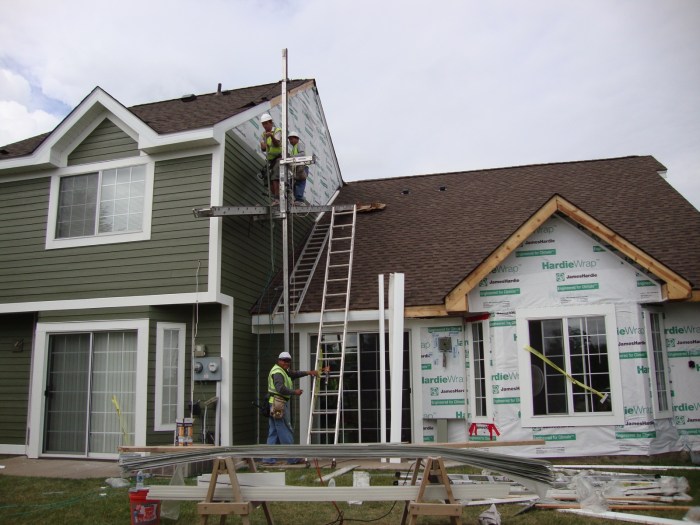
Installing siding and roofing require specific techniques and best practices to ensure a durable and well-protected structure. Siding contractors follow standard procedures to properly install siding, while roofing contractors must adhere to key steps for successful roof installation. Let's explore the essential aspects of both processes.
Standard Procedures for Siding Installation
- Prepare the surface: Before installing siding, it is crucial to prepare the surface by removing any existing materials, repairing damaged areas, and ensuring a clean and smooth surface.
- Measure and cut: Accurate measurements are essential to ensure a precise fit. Cutting the siding panels correctly is crucial for a seamless installation.
- Install insulation: Proper insulation helps improve energy efficiency and protects the structure from moisture. It is important to install insulation according to the manufacturer's guidelines.
- Weatherproofing: To prevent water infiltration, siding contractors must apply weatherproof barriers such as house wrap or building paper before installing the siding.
- Secure the siding: Using the appropriate fasteners and techniques, secure the siding panels to the exterior walls following the manufacturer's instructions.
Key Steps in Roofing Installation for Contractors
- Preparation: Inspect the roof deck for any damage and ensure it is structurally sound. Remove old roofing materials and prepare the surface for the new roof installation.
- Underlayment installation: Installing a high-quality underlayment is crucial for waterproofing and protecting the roof deck from moisture. Follow the manufacturer's guidelines for proper installation.
- Flashing: Proper flashing around roof penetrations, such as chimneys and vents, is essential to prevent water leaks. Install flashing securely to ensure a watertight seal.
- Shingle installation: Whether using asphalt shingles, metal roofing, or other materials, follow the manufacturer's instructions for correct installation techniques. Properly align and secure each shingle to ensure a durable roof surface.
- Final inspection: After completing the installation, conduct a thorough inspection to check for any gaps, loose shingles, or other issues that may compromise the roof's integrity.
Safety measures and regulations are paramount in the construction industry. Siding and roofing contractors must adhere to safety guidelines, including using proper personal protective equipment, following OSHA regulations, and ensuring a safe working environment for themselves and their crew.
Cost Factors and Budgeting
When it comes to siding and roofing projects, understanding the cost factors and effective budgeting is essential for contractors to provide accurate estimates and for clients to plan their finances accordingly.
Factors Influencing Siding Project Costs
Several factors can influence the cost of siding projects for contractors:
- The size of the project: Larger projects will require more materials and labor, leading to higher costs.
- The type of siding material chosen: Different materials come at different price points, affecting the overall cost of the project.
- The complexity of the design: Intricate designs or architectural details may require more time and expertise, increasing labor costs.
- Additional services required: If additional services such as insulation installation or trim work are needed, these will add to the total cost.
Impact of Roofing Material Quality on Pricing
The quality of roofing materials can significantly impact pricing for both contractors and clients:
- High-quality materials may come at a higher initial cost but can be more durable and require less maintenance in the long run, saving money over time.
- Cheaper materials may be more budget-friendly upfront but could lead to higher repair or replacement costs in the future.
- Clients looking for premium materials may need to allocate a larger budget for their roofing project, considering the higher quality and longevity.
Cost Comparison of Siding and Roofing Materials
It's important to compare the costs associated with different siding and roofing materials to make informed decisions:
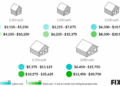
| Material | Average Cost per Square Foot |
|---|---|
| Vinyl Siding | $3-$7 |
| Fiber Cement Siding | $5-$12 |
| Asphalt Shingles | $1-$4 |
| Metal Roofing | $5-$15 |
Tips for Effective Budgeting
Here are some tips for contractors and clients to budget effectively for siding and roofing projects:
- Get multiple quotes from different contractors to compare prices and services offered.
- Consider the long-term costs and benefits of higher-quality materials versus cheaper alternatives.
- Allocate a contingency fund for unexpected expenses that may arise during the project.
- Communicate openly with your contractor to discuss budget constraints and explore cost-saving options without compromising quality.
Maintenance and Repairs
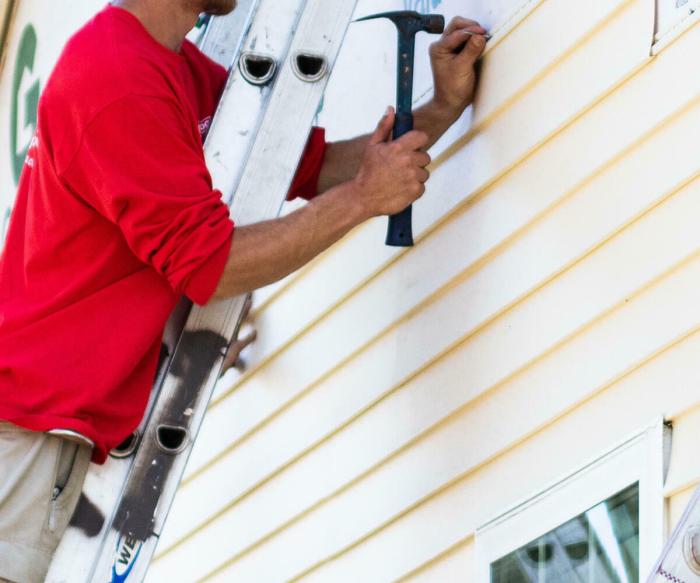
Regular maintenance and timely repairs are crucial for ensuring the longevity and functionality of siding and roofing systems. By following recommended maintenance schedules and promptly addressing any issues that arise, homeowners can prevent costly damages and extend the lifespan of their property's exterior.
Maintenance Schedules
- Inspect siding and roofing systems at least twice a year, preferably in the spring and fall, to check for any signs of damage or wear.
- Clean gutters and downspouts regularly to prevent water damage and ensure proper drainage.
- Trim trees and branches near the roof to prevent damage from falling debris and reduce the risk of mold growth.
Common Issues and Repairs
- Leaks: Address any signs of water infiltration immediately to prevent structural damage and mold growth.
- Cracked or missing shingles: Replace damaged shingles to maintain the integrity of the roof and prevent water leaks.
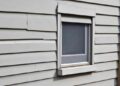
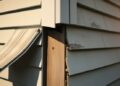
- Warped or rotting siding: Repair or replace damaged siding to maintain the aesthetic appeal and protection of the property.
Importance of Timely Repairs
Timely repairs are essential to prevent minor issues from escalating into major problems that require costly repairs or replacements. By addressing maintenance tasks and repairs promptly, homeowners can ensure the longevity and functionality of their siding and roofing systems.
DIY Maintenance Tasks vs. Professional Help
- DIY tasks: Homeowners can perform simple maintenance tasks such as cleaning gutters, inspecting for damage, and replacing minor components.
- Professional help: For complex repairs or installations, it's best to seek the expertise of professional siding and roofing contractors to ensure the job is done correctly and safely.
Outcome Summary
In conclusion, the world of siding roofing contractors is vast and varied, offering a range of options and considerations for homeowners and professionals alike. By understanding the key elements discussed in this guide, individuals can navigate the complexities of siding and roofing projects with confidence and expertise.
Expert Answers
What are the common types of siding materials used by contractors?
Contractors often use materials such as vinyl, wood, fiber cement, and metal for siding projects. Each material has its pros and cons, which should be considered based on durability and aesthetics.
How do roofing material quality impact pricing for contractors and clients?
The quality of roofing materials directly affects pricing for both contractors and clients. Higher quality materials generally come at a higher cost but offer better durability and longevity, which can be a cost-effective choice in the long run.
What are some common maintenance tasks recommended by contractors for siding and roofing?
Regular cleaning, inspection for damage, and resealing are common maintenance tasks recommended by contractors to ensure the longevity and performance of siding and roofing systems.